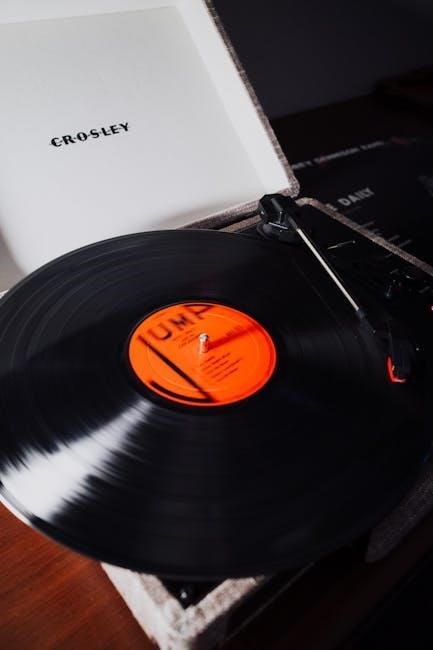
Crosley Record Player Owners Manual: A Comprehensive Guide (Updated 12/24/2025)
Welcome! This manual guides you through setup, operation, and maintenance of your Crosley record player, including iconic models like the Cruiser.
Crosley has become synonymous with accessible and stylish record players, particularly known for their retro designs and portability. While often recognized for suitcase models – instantly recognizable and popular on social media – the brand offers a diverse range of turntables catering to various listening preferences and budgets.
Initially a radio manufacturer in the 1920s, Crosley transitioned into record players, becoming a household name. Today, they continue to innovate, blending vintage aesthetics with modern features like Bluetooth connectivity and built-in speakers. This manual aims to provide comprehensive guidance, regardless of whether you own a simple Cruiser or a more advanced Crosley model. Understanding your player’s specific features is key to enjoying optimal sound quality and longevity.
Understanding Crosley’s Popular Models
Crosley offers a spectrum of record players, each designed with unique features. The Cruiser, their most iconic model, prioritizes portability and affordability, often featuring built-in speakers and Bluetooth. Stepping up in quality, the Executive provides a more traditional listening experience, typically requiring external speakers for enhanced audio fidelity.
Beyond these, Crosley produces various other models, including those with enhanced sound capabilities, integrated digital encoding, and different aesthetic styles. This diversity allows users to select a turntable that perfectly matches their needs and preferences. Familiarizing yourself with the specific characteristics of your chosen model is crucial for maximizing its performance and enjoying your vinyl collection to the fullest;
The Cruiser: Features and Specifications
The Cruiser is Crosley’s signature suitcase-style record player, celebrated for its retro aesthetic and portability. It typically includes built-in speakers, offering convenient, all-in-one playback. Bluetooth connectivity allows wireless streaming from smartphones and tablets, expanding its functionality beyond vinyl.
Specifications generally include a two-speed (33 ⅓ and 45 RPM) turntable, supporting both 7” and 12” records. The Cruiser often features an automatic stop function and a standard RCA audio output for connecting to external speakers. Its compact size and lightweight design make it ideal for travel and small spaces, embodying a blend of style and convenience.
The Executive: A Step Up in Quality
The Executive represents a noticeable upgrade from Crosley’s entry-level models, prioritizing audio fidelity and build quality. It typically features a wood cabinet construction, offering a more sophisticated and classic appearance. Unlike the Cruiser, the Executive often incorporates adjustable counterweight and anti-skate controls, allowing for precise stylus calibration.
This model generally supports multiple speeds (33 ⅓, 45, and 78 RPM), accommodating a wider range of vinyl records. Enhanced speaker systems or pre-amp outputs are common, delivering richer sound. The Executive aims to provide a more authentic vinyl listening experience, appealing to audiophiles seeking improved performance.
Other Notable Crosley Models (Brief Overview)
Beyond the Cruiser and Executive, Crosley offers diverse options. The Keepsake provides a compact, portable design, similar to the Cruiser, but with varied aesthetics. The C600 is a direct-drive turntable geared towards serious vinyl enthusiasts, featuring professional-grade components and precise speed control.
Discovery models often integrate modern features like digital encoding, allowing you to convert vinyl to digital formats. Crosley also produces larger stereo consoles with built-in radios and CD players; Each model caters to different needs and budgets, from casual listeners to dedicated collectors. Exploring the full range reveals a commitment to accessibility and style.
Setting Up Your Crosley Record Player
Initial setup is crucial for optimal performance. Begin by carefully unboxing all components – the record player, power adapter, and any included audio cables. Inspect for any shipping damage. Next, locate a stable, level surface away from direct sunlight and heat sources.
Connecting to power is straightforward; simply plug the adapter into the record player and a wall outlet. For audio, you can connect to external speakers via RCA cables or utilize the built-in speakers (if equipped). Ensure proper grounding to minimize hum. A well-prepared setup ensures a fantastic listening experience!
Unboxing and Component Identification
Carefully open the box and remove all packing materials. Your Crosley record player package should include the turntable itself, a power adapter, and potentially RCA audio cables for connecting to external speakers. Some models may also include a 45 RPM adapter for playing smaller records.
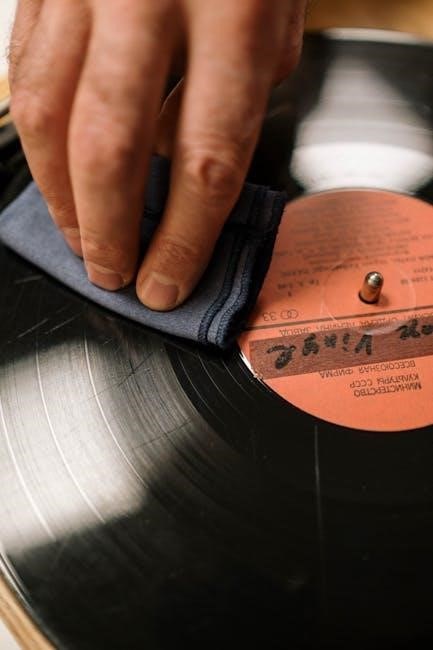
Identify each component before proceeding. The turntable features the platter, tone arm, stylus (needle), and various control knobs. The power adapter is essential for operation. Familiarizing yourself with these parts now will simplify the setup process and ensure you understand your new device.
Connecting to Power and Audio Systems
Plug the power adapter into the record player and then into a standard wall outlet. Ensure the outlet is functioning correctly. For audio, you have options. Many Crosley players have built-in speakers, allowing for immediate use.
For enhanced sound, connect the RCA audio cables (if included) to the corresponding inputs on your external speakers or receiver. Select the correct input source on your audio system. If using Bluetooth, refer to the section on Bluetooth connectivity for pairing instructions. Always ensure all connections are secure before powering on the system.
Operating Your Crosley Record Player
Before playing, ensure your record player is placed on a stable, level surface to prevent skipping. Gently place a vinyl record onto the turntable platter. Power on the record player and select the desired speed (33 ⅓, 45, or 78 RPM) based on your record.
Carefully lift the tone arm using the cueing lever and position the stylus just before the record’s edge. Lower the tone arm gently onto the record surface. Adjust the volume to a comfortable level. Enjoy the music! Remember to use the cueing lever to lift the tone arm between tracks or at the record’s end.
Placing and Leveling the Record Player
Optimal placement is crucial for sound quality and preventing skipping. Choose a sturdy, flat surface away from vibrations – speakers, foot traffic, or direct sunlight. Use a spirit level to confirm the surface is perfectly horizontal.
Adjustable feet, if equipped, allow for fine-tuning. Rotate the feet until the bubble in the level is centered. An unleveled player can cause uneven stylus pressure, leading to distorted sound or record damage. Regularly check leveling, especially after moving the player. A stable foundation ensures the best possible listening experience with your Crosley record player.
Playing Vinyl Records: A Step-by-Step Guide
Begin by gently placing your vinyl record onto the turntable platter. Ensure the platter is rotating before lowering the tonearm. Use the power/speed switch to select the correct speed (33 ⅓ or 45 RPM) matching your record.
Carefully lift the tonearm using the cueing lever, position the stylus before the lead-in groove, and slowly lower it. Adjust the volume to a comfortable level. To stop playback, raise the tonearm with the cueing lever and return it to its rest. Always handle records by the edges to avoid damage.

Adjusting the Tone Arm and Tracking Force
Proper tone arm adjustment and tracking force are crucial for optimal sound and record preservation. While many Crosley models have pre-set tracking force, some allow for adjustment. If adjustable, consult your model’s specific instructions.
Incorrect tracking force can cause distortion or damage to your vinyl. A lighter force may cause skipping, while a heavier force can wear down the record. Ensure the tonearm moves freely across the record. Avoid forcing it. Regularly check and readjust as needed for the best listening experience and longevity of your records.

Troubleshooting Common Issues
Encountering problems with your Crosley record player? This section addresses frequent issues. No sound is often due to incorrect connections, volume settings, or a faulty audio cable – verify each. Skipping records can stem from a dirty stylus, improper tracking force, or a warped vinyl.
A non-spinning motor might indicate a power supply issue or internal malfunction. Always check the power cord and connections first. If problems persist, consult the specific troubleshooting guide for your model or contact Crosley support for assistance.
No Sound Output: Diagnosing the Problem
Silence from your Crosley? Begin by verifying the volume knob isn’t muted or set too low. Check all cable connections – ensure the RCA cables are securely plugged into both the record player and your amplifier or speakers. Confirm your amplifier is powered on and set to the correct input source.
Test with different cables to rule out a faulty wire. If using headphones, ensure they are properly connected. Inspect the stylus; a damaged stylus won’t produce sound. Finally, try a different record to eliminate the possibility of a damaged vinyl disc.
Skipping or Repeating Sections of a Record
Experiencing skips or repeats? First, clean your record thoroughly – dust and debris are common culprits. Ensure the record player is on a level surface; vibrations can cause the needle to jump. Adjust the tracking force; too light, and it skips; too heavy, and it damages the vinyl.
Check the tone arm balance; A properly balanced arm glides smoothly. Inspect the stylus for wear or damage. Warped records are also a frequent cause; try a different disc. Finally, ensure nothing is obstructing the tone arm’s movement.
Motor Not Spinning: Potential Causes and Solutions
If your Crosley isn’t spinning, first verify the power connection is secure. Check the power adapter itself – is it functioning correctly? Some models have a hidden on/off switch; ensure it’s engaged. A loose or damaged drive belt is a common issue; replacement may be necessary.
Inspect the motor for any visible obstructions. If the problem persists, the motor itself might be faulty, requiring professional repair. Avoid attempting complex repairs yourself; consult a qualified technician. Always unplug the unit before inspecting internal components.
Crosley Record Player Maintenance
Regular maintenance ensures optimal performance and longevity of your Crosley. Cleaning vinyl records is crucial; use a carbon fiber brush before each play to remove dust. For deeper cleaning, employ a record cleaning solution and microfiber cloth. The stylus (needle) requires periodic cleaning with a stylus brush – gently brush from back to front.
Dust the cabinet regularly with a soft, dry cloth. Avoid harsh chemicals or abrasive cleaners. Proper care extends the life of your record player and preserves your vinyl collection’s sound quality. Consistent upkeep is key!
Cleaning Your Vinyl Records
Maintaining clean records is paramount for optimal sound and stylus longevity. Before each play, utilize a carbon fiber brush to gently remove loose dust and debris. For more thorough cleaning, employ a dedicated record cleaning solution and a lint-free microfiber cloth. Apply the solution sparingly, following the grooves in a circular motion.
Avoid using household cleaners, as they can damage the vinyl. After applying the solution, dry the record with a clean, dry microfiber cloth. Regular cleaning prevents dust buildup, reducing wear and tear on both your records and the stylus, ensuring a pristine listening experience.
Cleaning the Stylus (Needle)
A clean stylus is crucial for accurate sound reproduction and preventing record damage. Dust and debris accumulate on the stylus, impacting audio quality and potentially causing scratches. Regularly clean your stylus using a stylus brush – a small, soft brush specifically designed for this purpose.
Brush gently from back to front, following the cantilever’s direction. Avoid applying excessive pressure or brushing side to side. For stubborn buildup, use a stylus cleaning fluid, applying a tiny amount to the brush before gently cleaning. Frequent cleaning, ideally before each listening session, ensures optimal performance and extends the life of your vinyl collection.
Dusting and Caring for the Record Player Cabinet
Maintaining the cabinet of your Crosley record player preserves its aesthetic appeal and prevents dust from entering the internal components. Regularly dust the exterior with a soft, dry cloth. Avoid using abrasive cleaners or harsh chemicals, as these can damage the finish.
For wooden cabinets, a furniture polish specifically designed for delicate surfaces can be used sparingly. Clean spills immediately to prevent staining or warping. Periodically inspect the hinges and latches, ensuring they are secure and functioning correctly. Proper cabinet care contributes to the longevity and overall enjoyment of your Crosley record player.
Advanced Features & Settings (Model Dependent)
Certain Crosley models offer enhanced functionality beyond basic vinyl playback. Bluetooth connectivity allows wireless streaming from smartphones and tablets, pairing easily through the settings menu. Some players feature built-in speakers, providing convenient standalone audio, while others are designed for connection to external systems via RCA outputs.
Explore adjustable settings like auto-stop, which halts the platter at the record’s end, and adjustable tracking force for optimal sound. Refer to your specific model’s documentation for detailed instructions on accessing and utilizing these advanced features, maximizing your listening experience.
Bluetooth Connectivity and Pairing
Many Crosley record players now include Bluetooth functionality, enabling wireless audio streaming. To initiate pairing, ensure your record player is in Bluetooth mode – typically activated via a dedicated button or menu option. Then, on your smartphone or tablet, activate Bluetooth and scan for available devices.
Select your Crosley record player from the list. You may be prompted for a pairing code (often “0000”). Once connected, you can stream music wirelessly. Remember that Bluetooth range is limited, and interference can occur. Consult your model’s specific instructions for optimal pairing and performance.
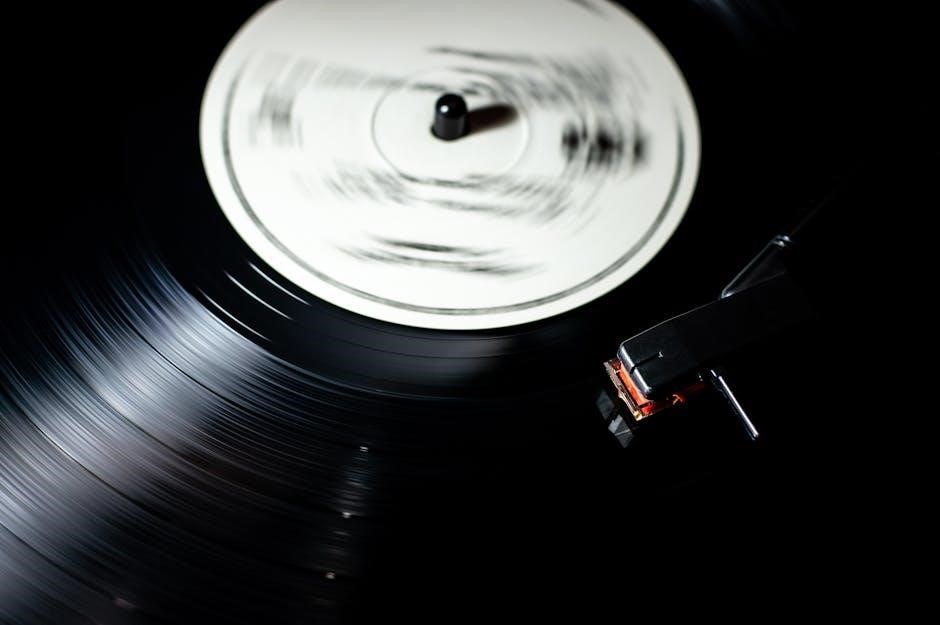
Built-in Speakers vs. External Audio Output
Crosley record players often feature built-in speakers for convenient, all-in-one listening. However, the sound quality from these speakers is generally limited, best suited for casual enjoyment. For a superior audio experience, utilizing the external audio output is highly recommended.
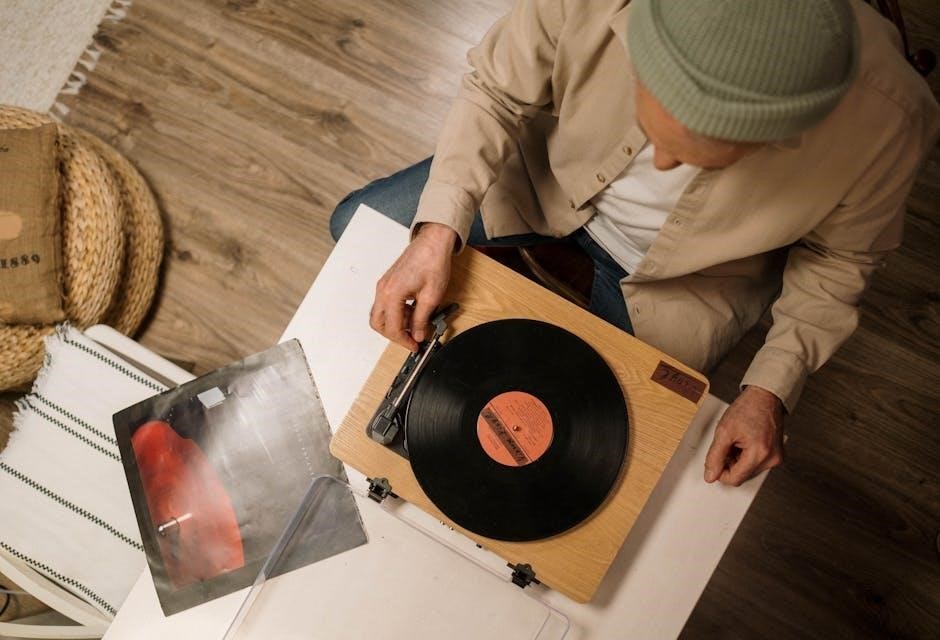
Most models include RCA outputs, allowing connection to powered speakers or a home stereo system. This bypasses the internal speakers, delivering richer, more detailed sound. Consider the listening environment; built-in speakers are fine for small spaces, while external systems excel in larger rooms. Experiment to find what suits your preferences!
Resources and Support
Need assistance with your Crosley record player? The official Crosley website ([https://www.crosleyradio.com/](https://www.crosleyradio.com/)) is your primary resource. Explore their comprehensive support pages, featuring FAQs, troubleshooting guides, and downloadable manuals for various models.
For replacement parts – styluses, belts, or other components – the website offers a dedicated parts store. You can also find authorized service centers listed on their site. Additionally, numerous online forums and communities dedicated to vinyl enthusiasts can provide valuable advice and support. Don’t hesitate to reach out for help!
Crosley’s Official Website and Support Pages
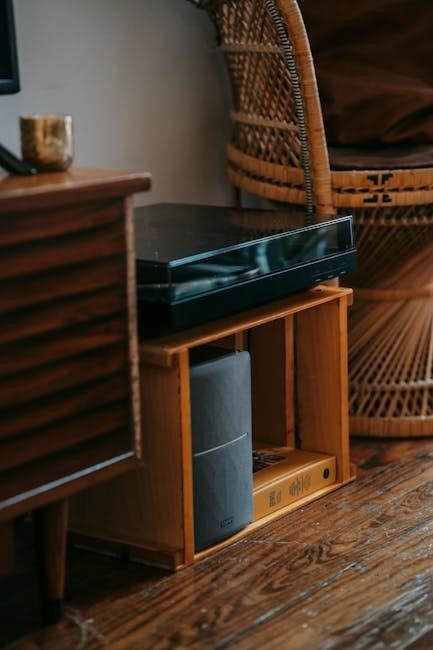
Crosley Radio’s official website ([https://www.crosleyradio.com/](https://www.crosleyradio.com/)) serves as the central hub for all owner support needs. Here, you’ll discover an extensive library of downloadable manuals tailored to specific Crosley record player models, ensuring you have the correct documentation at your fingertips.
The support section boasts a detailed FAQ addressing common issues, alongside troubleshooting guides to help resolve problems independently. Furthermore, Crosley provides contact information for direct customer support, allowing you to reach out for personalized assistance when needed. Regularly check the site for firmware updates and new resources.
Finding Replacement Parts
Maintaining your Crosley record player often requires replacing worn components. Crosley’s official website ([https://www.crosleyradio.com/](https://www.crosleyradio.com/)) offers a dedicated parts store, allowing direct purchase of genuine replacement needles (styluses), belts, and other essential components.
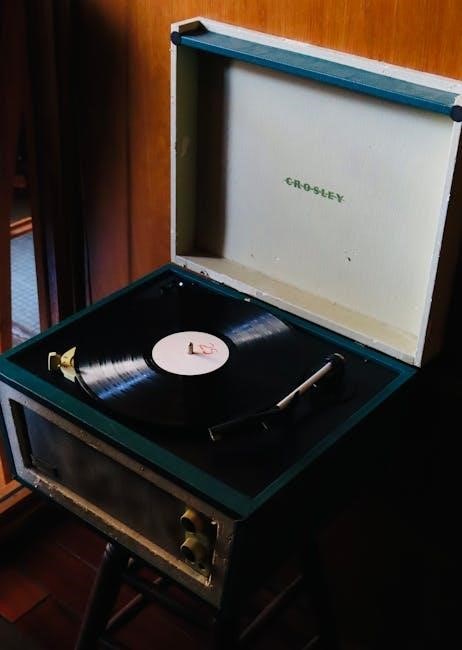
Alternatively, authorized Crosley retailers and third-party online marketplaces like Amazon and eBay frequently stock replacement parts. When ordering, always verify compatibility with your specific model number to ensure a proper fit and optimal performance; Prioritize genuine Crosley parts for longevity and sound quality; avoid generic alternatives where possible.