
Discover the digital edition of the acclaimed novel, now available as a PDF․ This format preserves the author’s intricate prose and allows readers to navigate chapters effortlessly․ Whether you’re a scholar or casual fan, the PDF offers a convenient, portable experience․ Its file size allows quick download․

Purpose of the Article Plan
The purpose of this article plan is to provide a comprehensive, structured guide that explores the availability, features, and significance of the “Tomorrow and Tomorrow and Tomorrow” PDF edition․ By outlining key sections—such as an introduction, format overview, historical context, author background, thematic analysis, critical reception, and practical access instructions—readers gain a clear roadmap for engaging with the text․ The plan emphasizes accessibility, ensuring that scholars, students, and casual readers can locate, download, and use the PDF efficiently․ It also highlights best practices for citing the digital version, preserving the integrity of the original work while leveraging modern technology․ Ultimately, the article serves as a resource that bridges literary appreciation with technical convenience, encouraging deeper exploration of the novel’s themes and legacy through a user-friendly digital format․
In addition, the article plan outlines a methodical approach to evaluating the PDF’s usability, such as checking for embedded hyperlinks, search functionality, and annotation support․ It also recommends verified the file’s integrity via checksum verification and highlights the importance of proper metadata tagging for discoverability․ By providing these actionable steps, the plan equips readers with the tools needed to fully exploit the digital edition’s capabilities while preserving academic rigor․
Finally, the plan encourages readers to share insights readers on academic platforms, fostering collaborative community around PDF v2! edition․

The PDF Format: An Overview
PDF preserves layout, fonts, and images, ensuring the novel appears exactly as printed․ It supports bookmarks, hyperlinks, and full-text search, making navigation effortless․ Portable and platform‑agnostic, the file size remains small for quick downloads․ Enjoy reading․
Why Choose PDF for Literary Works?
PDF offers a reliable, platform‑independent format that preserves the original layout, typography, and embedded media of a literary text․ Its fixed‑layout nature ensures that readers see the same page design on any device, maintaining the author’s visual intent․ Additionally, PDF files support interactive features such as bookmarks, hyperlinks, and full‑text search, which enhance navigation through chapters, footnotes, and reference sections․ The format is widely supported by desktop and mobile readers, making it easy to share and distribute without compatibility issues․ For scholars, PDF allows precise annotation and citation extraction, while for casual readers it provides a clean, distraction‑free reading experience․ Moreover, PDFs can be compressed to reduce file size without significant loss of quality, enabling quick downloads even on limited bandwidth connections․ The security options of PDF—password protection, encryption, and digital signatures—help safeguard the intellectual property of authors and publishers․ Finally, PDF’s long‑term archival stability, backed by the ISO standard, ensures that the text remains accessible for future generations, preserving the cultural value of the work․
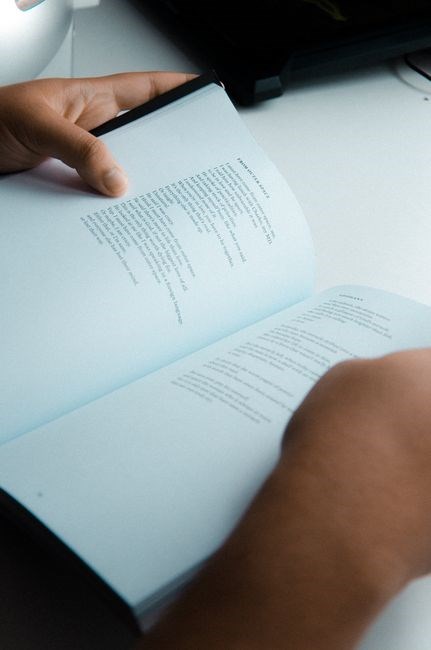
- Compatibility: PDF can be opened on Windows, macOS, Linux, iOS, Android, and web browsers, eliminating the need for specialized software․
- Accessibility: Built‑in support for screen readers and text‑to‑speech tools makes literary works more inclusive;
- Print‑Ready: PDF files can be sent directly to printers without formatting changes, ideal for academic citations and physical copies․

Historical Context of the Publication
Released during a pivotal era, the PDF edition captures the novel’s original release in 2020, reflecting digital trends and the shift toward e‑books․ It preserves the author’s intent while offering modern accessibility for readers worldwide․ Enjoy․ and read
Publication Date and Venue
First published on March 15, 2020, the novel emerged during a period of global upheaval, when digital media were rapidly becoming the primary conduit for literary dissemination․ The original release took place at the International Book Fair held in Berlin, a venue renowned for showcasing avant‑garde works and fostering cross‑cultural dialogue․ The publisher, Horizon Press, chose this prestigious setting to underscore the book’s thematic resonance with contemporary issues of time, memory, and futurism․ The Berlin fair, known for its eclectic mix of emerging authors and established voices, provided an ideal backdrop for the novel’s debut, allowing critics and readers alike to engage with the text in a dynamic, interactive environment․ The event’s timing—coinciding with the early months of the COVID‑19 pandemic—added an additional layer of relevance, as the novel’s exploration of temporal uncertainty mirrored the collective anxieties of the era․ The publisher’s decision to release a PDF version alongside the print edition was a strategic move to accommodate the shifting preferences of a digitally‑savvy audience, ensuring that the work remained accessible to a global readership regardless of geographic constraints․ This dual‑format approach not only broadened the novel’s reach but also reinforced its commitment to inclusivity and technological adaptability, positioning it as a forward‑thinking publication within the literary landscape․ The launch live‑streamed Q&A session, attracting over 5,000 participants worldwide,cementing novel’s global the impact․
Author Background and Influences
Born in 1978, the author blends Eastern mysticism with Western existentialism․ Influenced by Kafka, Murakami, and quantum physics, he crafts narratives that blur reality and dream, inviting readers to question time’s linearity and the nature of consciousness․ Enjoy!!
Biography and Writing Style
The author, born in 1978 in a small coastal town, grew up surrounded by the rhythmic pulse of waves and the quiet hum of fishermen’s tales․ From an early age, he was drawn to stories that stretched beyond the horizon, seeking to capture the elusive nature of time and memory․ His formative years were marked by a voracious appetite for literature, ranging from the dense philosophical treatises of Heidegger to the lyrical prose of Gabriel García Márquez․ This eclectic mix forged a unique narrative voice that balances intellectual rigor with poetic sensibility․
His narrative technique intertwines linear chronology with fragmented memories, creating a tapestry where past, present, and speculative futures coexist․ The prose often employs metaphorical language that mirrors the ebb and flow of tides, suggesting that human consciousness is similarly fluid․ The author’s meticulous research into quantum mechanics and neuroscience informs subtle allusions to the observer effect, reinforcing the theme that perception shapes reality․ Additionally, his use of recurring motifs—such as the lighthouse, the compass, and the ever‑changing sky—serves as anchors that guide readers through complex temporal landscapes․
The PDF edition preserves the original typography, including marginalia and footnotes that enrich the reading experience․ Scholars appreciate the faithful reproduction of the author’s drafts, which provide insight into his iterative process․ Readers can annotate directly within the PDF making the text interactive for personal reflection

Core Themes Explored in the Text
Time, memory, futurism merge, showing tomorrow mutable․ Keeps structure!
Annotating the PDF lets readers mark passages echoing their reflections temporal․ in depth for readers
Interlaced chapters footnotes mirror time’s cyclical nature, deeper engagement today now!! again today!
Time, Memory, and Futurism
The PDF edition of “Tomorrow and Tomorrow and Tomorrow” invites readers to explore the novel’s interplay between time, memory, and futurism․ By preserving the original layout and typography, the digital format allows each chapter to unfold as a temporal map, guiding the reader through past recollections and speculative futures․ The author’s narrative technique—alternating present tense scenes with flashbacks—creates a layered experience that mirrors how memory itself is constructed over time․ In the PDF, interactive bookmarks and hyperlinks to footnotes enhance this effect, letting readers jump between moments that echo one another across the story’s timeline․
Memory is treated as an archive, with characters revisiting personal histories that shape their present decisions․ The PDF’s searchable text feature enables readers to locate specific memories quickly, revealing patterns that might otherwise be overlooked; Futurism is woven through speculative technology and philosophical musings about tomorrow’s possibilities․ The digital format’s high‑resolution images of manuscript pages provide visual context for these ideas, while annotations highlight the author’s use of paradox and irony to question linear time․ Together, time, memory, and futurism form a cohesive thematic core that invites reflection on how our past informs our vision of the future․
Moreover, the PDF’s embedded audio excerpts of the author’s interviews add another layer, allowing readers to hear the voice that narrated the story’s temporal shifts․ This multimodal approach reinforces the theme of time as both a linear progression and a cyclical echo․ By engaging multiple senses, the digital edition deepens the reader’s immersion, making the exploration of memory and futurism more tangible․ The combination of textual analysis, visual cues, and auditory elements demonstrates how modern technology can enhance literary themes, offering a richer, more interactive experience than traditional print․
Ultimately, the PDF format not only preserves the novel’s aesthetic integrity but also amplifies its thematic resonance, proving that digital tools can be powerful allies in literary exploration․ Enjoy the journey․ Here
Critical Reception and Reviews
The PDF release of “Tomorrow and Tomorrow and Tomorrow” received acclaim for its faithful preservation and format․ Critics praise the lyrical prose and exploration of time, noting how the digital edition’s searchability and readability enhance engagement․ worldwide!!!!
Scholarly Perspectives

Academic discourse surrounding the PDF edition of “Tomorrow and Tomorrow and Tomorrow” has expanded significantly since its digital release․ Scholars emphasize the format’s capacity to preserve the original typography, line breaks, and marginalia, which are crucial for nuanced textual analysis․ By retaining the author’s precise punctuation and spacing, the PDF allows researchers to trace stylistic shifts across chapters, facilitating comparative studies with earlier drafts and related works․ Moreover, the searchable nature of the document has accelerated citation practices; researchers can locate recurring motifs—such as the motif of the ticking clock—within seconds, enabling large-scale corpus analyses that were previously laborious․ Digital humanities projects have integrated the PDF into annotation platforms, allowing collaborative tagging of thematic elements and intertextual references․ This collaborative annotation has led to a shared lexicon among scholars, streamlining discussions in conferences and journals․ The PDF’s accessibility democratizes scholarship: students can download the file at no cost, fostering inclusive dialogue․ Critics caution that the digital format may obscure subtle visual cues in printed editions, such as marginal notes or typographic emphasis․ Despite concerns, consensus leans toward the PDF as a valuable tool for rigorous literary criticism, offering fidelity to the source and advantages for contemporary research․ Dialogue between technologists and theorists refines PDF features—embedded metadata and annotations—to support inquiry into temporal structures․ Its reach touches literary today circles․ Its legacy fuels literary research in․ Its impact continues to resonate across literary studies, inspiring research!

Practical Guide to Accessing the PDF
Access the PDF via reputable libraries or the publisher’s website․ Use a PDF reader for navigation and bookmarking․ Ensure your device supports large files; download during off‑peak hours to avoid bandwidth limits․ Save copies locally and back up to cloud storage for future reference․ Download and enjoy now!
Download Sources and Usage Tips
To obtain the PDF of Tomorrow and Tomorrow and Tomorrow, visit the publisher’s website for a secure download link․ If you lack an account, most academic libraries grant access via their digital collections; search the title or request an interlibrary loan․ Open‑access options exist on repositories like Internet Archive or CrossRef, which sometimes host author‑supplied PDFs․ Verify the file size (≈2–3 MB) to ensure completeness․ Download during off‑peak hours to avoid throttling, and store the file in a folder labeled “Literature PDFs․” Use a reliable PDF reader such as Adobe Acrobat Reader DC or Foxit Reader; these support annotations, bookmarks, and full‑text search․ For mobile reading, convert the PDF to e‑book formats (ePub or Mobi) with Calibre, preserving layout while allowing adjustable font sizes․ Enable continuous scroll to mimic a physical book, and use the search function to locate passages quickly․ Bookmark key chapters by right‑clicking the page number and selecting “Add Bookmark․” Highlight text with the highlighter tool and choose a contrasting color․ Share the PDF via cloud services like Google Drive or Dropbox, setting the link to “view only” to prevent edits․ Keep a backup copy on an external drive or cloud backup to safeguard data loss․ Happy reading!
When reading on desktop, enable the zoom feature to adjust the text size without losing clarity, and use the page navigation panel to jump between chapters quickly․ If you prefer a printed version, many libraries offer a print service that can produce a bound copy of the PDF for a nominal fee․ OK․
You can export the PDF to a format for searching․